At Agripac, we turn our commitment to future generations and ecosystem conservation into concrete actions. We promote eco-efficiency throughout our entire value chain through cleaner production projects, reduced waste sent to landfills, and investments in renewable energy. These initiatives reduce our carbon footprint and actively contribute to Sustainable Development Goal 13: Climate Action.
ZERO WASTE GOAL
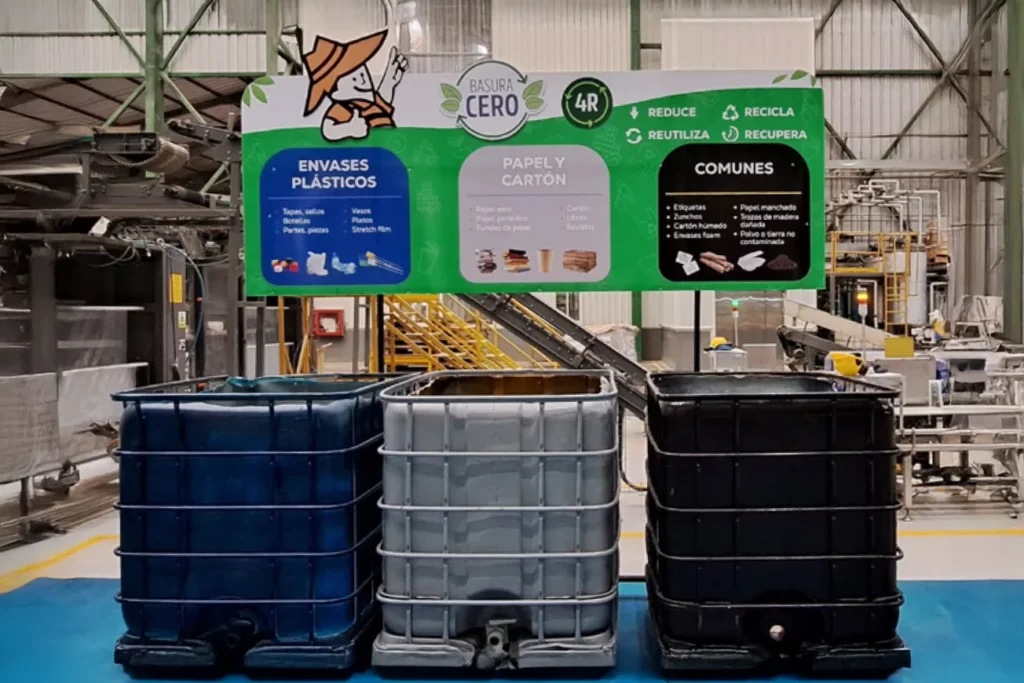
The Zero Waste Goal reflects our commitment to waste reduction and stands as a strategic pillar for lowering our carbon footprint, mitigating the effects of climate change associated with the extraction of virgin raw materials, and preventing pollution caused by landfill disposal.
We promote the circular economy model through the reuse, repair, recycling, and regeneration of materials, while training our staff in the sustainable use of resources.
The program is implemented across all our production units, with annual waste-reduction targets that are monitored on a monthly basis.
Recycled
waste (80%)
1.011.712,64 kg
Sent to
landfill (20%)
260.435,47 kg
2024
EXTENDED PRODUCER RESPONSIBILITY
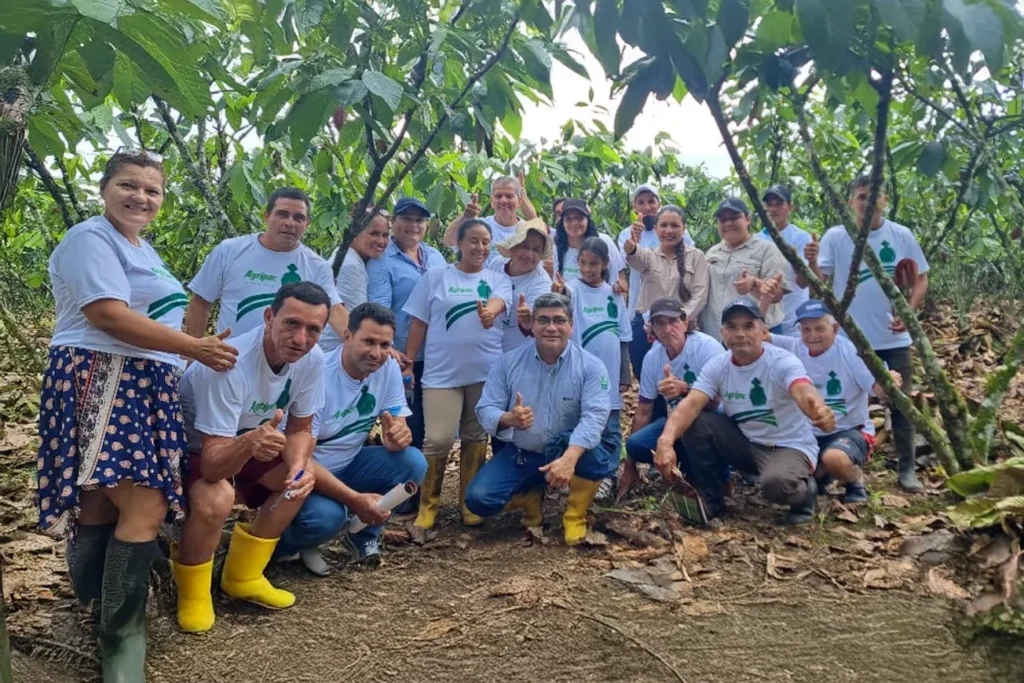
We train agricultural workers in the safe and responsible use of chemical products for crops such as potatoes, corn, tomatoes, rice, bananas, pastures, and roses. We promote the use of personal protective equipment and best waste-management practices to prevent soil, air, and water contamination.
At our retail locations, we provide information about delivering empty containers to the collection points of the Integrated Agricultural Plastic Waste Management Program, and we teach the triple-rinse technique through instructions and printed materials, ensuring their proper final disposal.
Recovery
target (65%)
95.363,64 kg
Total recovered (kg)
99.982,63 kg
2024
REFRIGERANT REPLACEMENT
We contribute to compliance with the Montreal Protocol and the Kigali Amendment through a corporate plan to eliminate refrigerant gases that harm the ozone layer.
We removed 71 air-conditioning units containing R-22 gas across all our facilities and, in coordination with our procurement, projects, operations, and sustainability teams, we prohibited the purchase of any new equipment that uses this gas. This action reinforces our commitment to sustainable practices and the reduction of our environmental footprint.
100% ODS-free
2020
32,33
2021
17,78
2022
1,79
2023
0
ODS emissions in metric tons of CFC-11 equivalent (trichlorofluoromethane).
RENEWABLE ENERGY
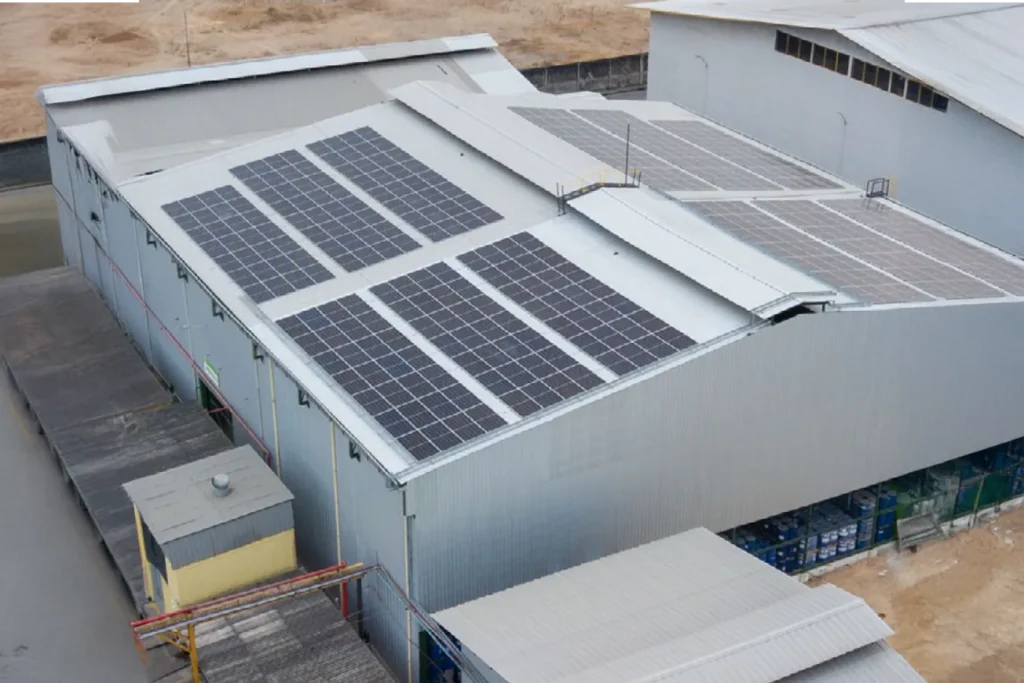
We began our energy transition with the installation of 351 solar panels at the Laquinsa plant, capable of covering more than 90% of its energy demand.
This action reduces the plant’s carbon footprint, boosts energy self-sufficiency, and ensures a constant supply to meet growing market demand with products manufactured using clean energy.
Renewable energy
produced at (Laquinsa)
187.697,39 kWh
2024
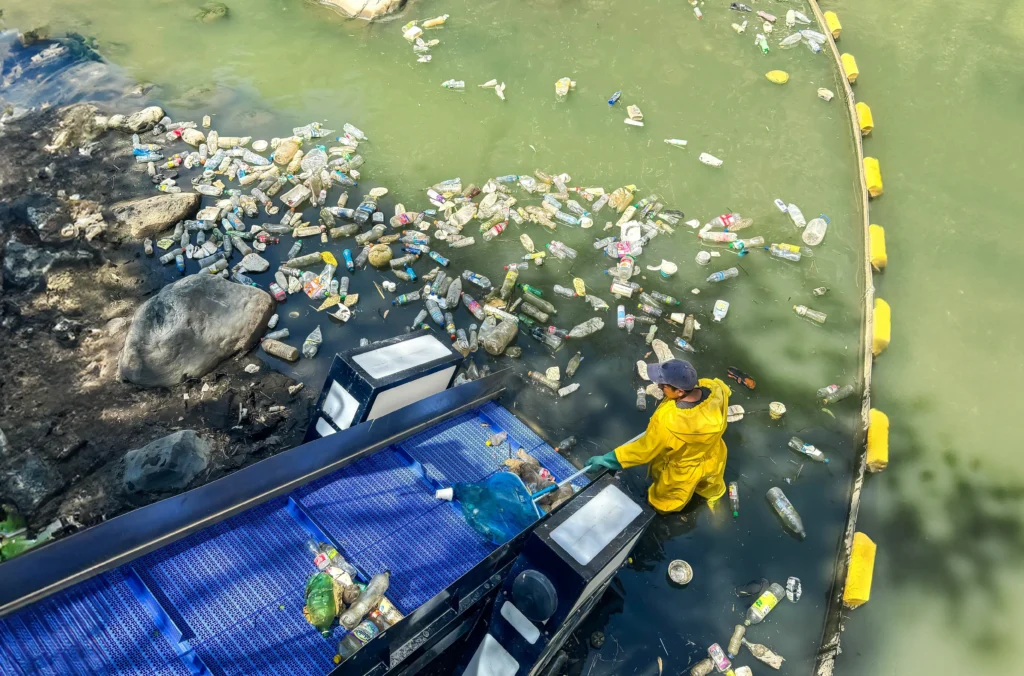
We are part of Galápagos Guardians, an initiative that aims to reduce plastic presence in the Galápagos Islands by 30% by 2030.
This year, we have set a goal to recover 15,000 pounds of plastic. To achieve this, we incorporated samples of our PET containers into the artificial intelligence system developed by Itchion, which uses cameras, sensors, and machine learning to identify, classify, and facilitate real-time waste collection.
Through this alliance, we combine technology, science, and community to protect threatened marine species, prevent plastic pollution at the source, and recover containers as part of a circular economy.